Why Workers Are Tired of Every Company Calling Itself AI-First
AI-first has become the new corporate reflex. Workers are starting to ask what it actually improves.
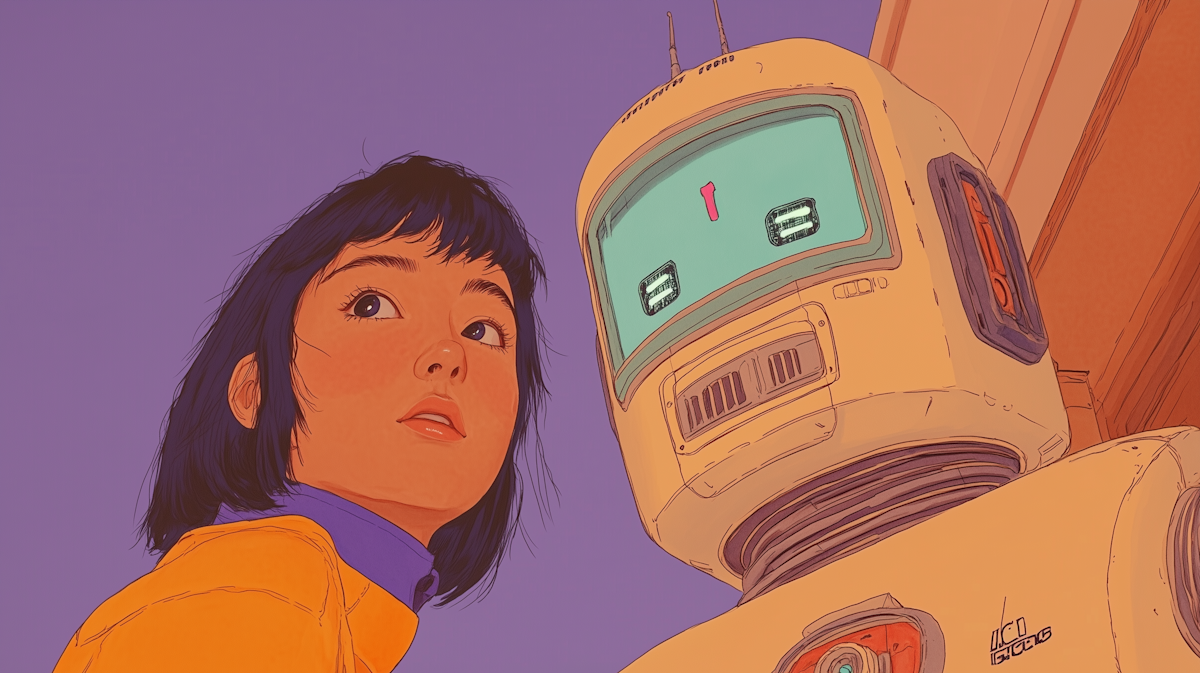
"AI-first" has become the new corporate reflex. It can mean a real product strategy, a useful internal tool, or a serious productivity shift. It can also mean employees sitting through another meeting where the word AI is repeated until it stops meaning anything.
That frustration showed up clearly in the last30days research. A r/technology thread about tech CEOs and AI drew tens of thousands of upvotes. The top comment came from a worker whose company had just been acquired: "My company just got bought by another company and I literally lost count of how many times the phrase 'AI' was said during the welcome message."
The joke works because the feeling is familiar. Many workers are not rejecting AI tools entirely. They are tired of vague mandates, performative enthusiasm, and unclear expectations.
AI adoption is becoming office culture
At first, workplace AI felt like a tool question. Which chatbot should we use? Can it summarize meetings? Can it help write code, emails, reports, or support replies?
Now it is becoming a culture question. Are employees expected to use AI for everything? Are managers measuring who uses it? Are workers supposed to disclose AI-generated work? Is the company saving time or just producing more documents, dashboards, and drafts for other people to review?
That is where fatigue begins. A useful tool can become exhausting when every workflow is rebranded around it before anyone proves the result is better.
The age of AI sprawl
Business Insider described the rise of "AI sprawl": companies adopting too many tools without enough coordination, strategy, or shared standards. Workers may use multiple AI products each week while still feeling that the company as a whole is not improving.
That matches the workplace experience many people describe. One team uses a chatbot for meeting notes. Another uses a different assistant for sales emails. A manager asks for AI-generated summaries. A coworker sends polished but empty AI drafts that create more editing work. The company says it is innovating, but the day feels more fragmented.
The issue is not whether AI can help. It can. The issue is whether the organization knows what problem it is solving.
Workers hear the threat underneath the hype
AI enthusiasm at work often comes with a second message: adapt or be replaced. That makes even useful tools feel loaded. If a CEO says the company is becoming AI-first, employees may hear a productivity strategy. They may also hear a warning.
That is why AI rhetoric can trigger cynicism so quickly. Workers know when a tool helps them. They also know when technology language is being used to justify layoffs, budget cuts, hiring freezes, or unrealistic output expectations.
The anxiety is not imaginary. The Guardian has argued that AI could accelerate the shift toward more fragmented and gig-like work. Even if that outcome is not universal, the fear shapes how employees hear every new AI initiative.
What good AI adoption looks like
Good AI adoption starts with a task, not a slogan. A company should be able to say: this tool reduces support response time, helps analysts find patterns, makes onboarding faster, improves accessibility, or removes a specific repetitive step.
It should also say what AI should not do. Workers need rules for sensitive data, client information, confidential documents, personal records, and high-stakes decisions. They need to know when human review is required and when AI-generated output is unacceptable.
Most importantly, companies need to measure whether the tool improves the system, not just whether individuals are using it. AI that helps one person produce more work can still create cleanup work for everyone else.
The bottom line
Workers are not tired of AI because they hate technology. They are tired of AI being treated as a magic word.
The companies that use AI well will make work clearer, faster, or less repetitive. The companies that use it badly will create more noise and call it transformation. Employees can tell the difference.