
Why Workers Are Tired of Every Company Calling Itself AI-First
AI-first has become the new corporate reflex. Workers are starting to ask what it actually improves.
AI-first has become the new corporate reflex. Workers are starting to ask what it actually improves.

Snap's new Specs are real consumer AR glasses, but their price makes them feel more like a category bet than a casual gadget.

AMD's memory encryption rollback and reversal show why firmware-level PC features need clearer consumer disclosure.
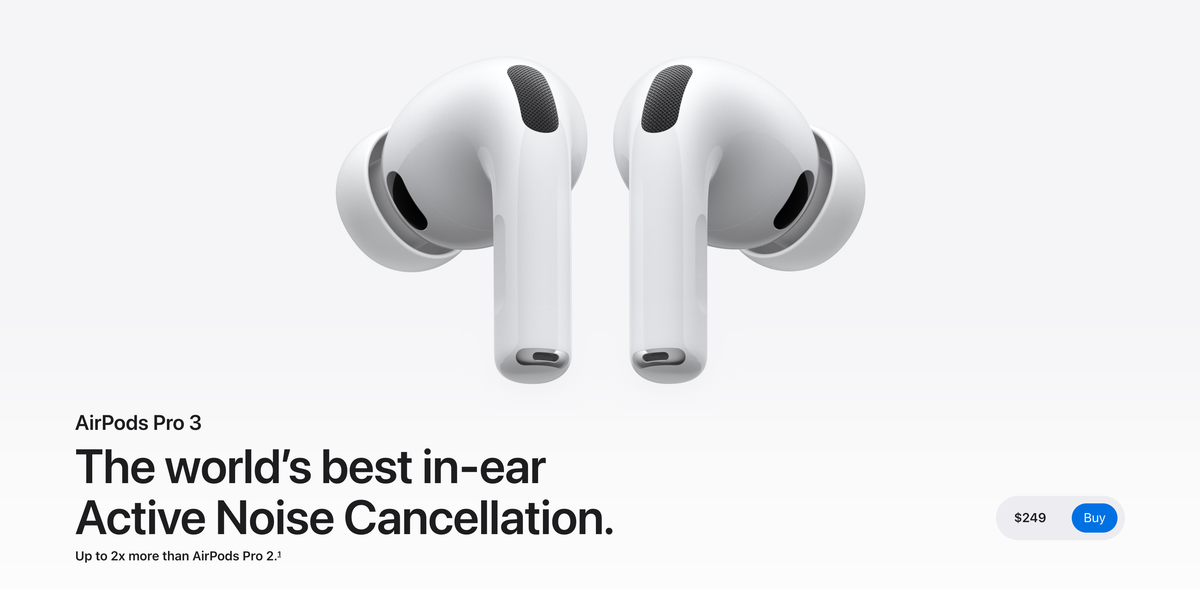
Apple reportedly wants to give AirPods cameras, not for photos, but to help AI understand the world around you.

Meta spent years making Supernatural part of its VR strategy. Letting it go independent may be the clearest sign yet that fitness works better as a product than a platform feature.

YouTube Premium now costs $15.99 a month in the US. It can still be excellent value, but only if you use the benefits that cheaper alternatives cannot replace.

Age checks are becoming a new gateway to apps and websites. The safety goal is easy to understand; the privacy cost depends on how much identity you must reveal.
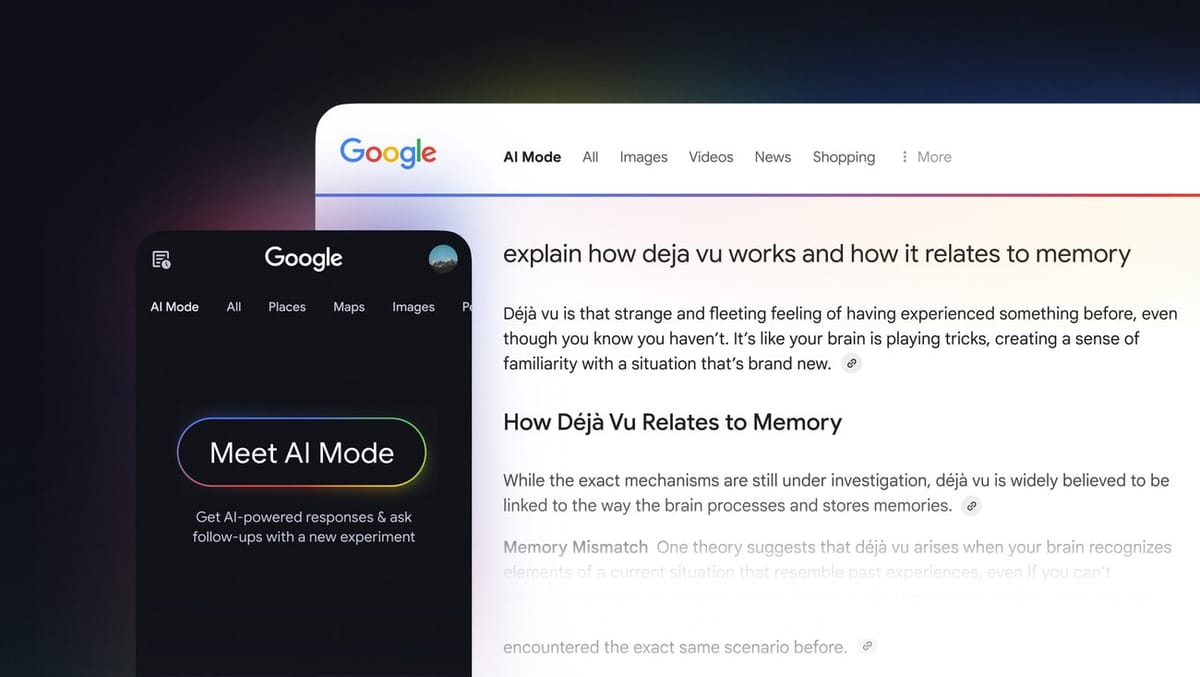
Publishers may finally get a way to refuse Google AI summaries without disappearing from search. The harder question is whether that choice arrives after the damage is done.

Reply Rules give Substack writers more control over conversation. They also confirm that a newsletter company with a social feed eventually inherits the responsibilities of a social network.

Cyberdecks are awkward, handmade, and often less practical than a laptop. That is exactly why they make personal computing feel personal again.

Amazon's visual search can now imagine the product you describe. That may make discovery easier, but it also weakens the image's oldest promise: that the thing exists.