
OpenAI's State AG Probe Turns ChatGPT Safety Into a Consumer Protection Story
The OpenAI investigation is not just a policy story. It is about whether ChatGPT is safe enough for everyday users.
AI Overviews are no longer only a traffic problem for publishers. They are becoming a responsibility problem for Google.

The OpenAI investigation is not just a policy story. It is about whether ChatGPT is safe enough for everyday users.
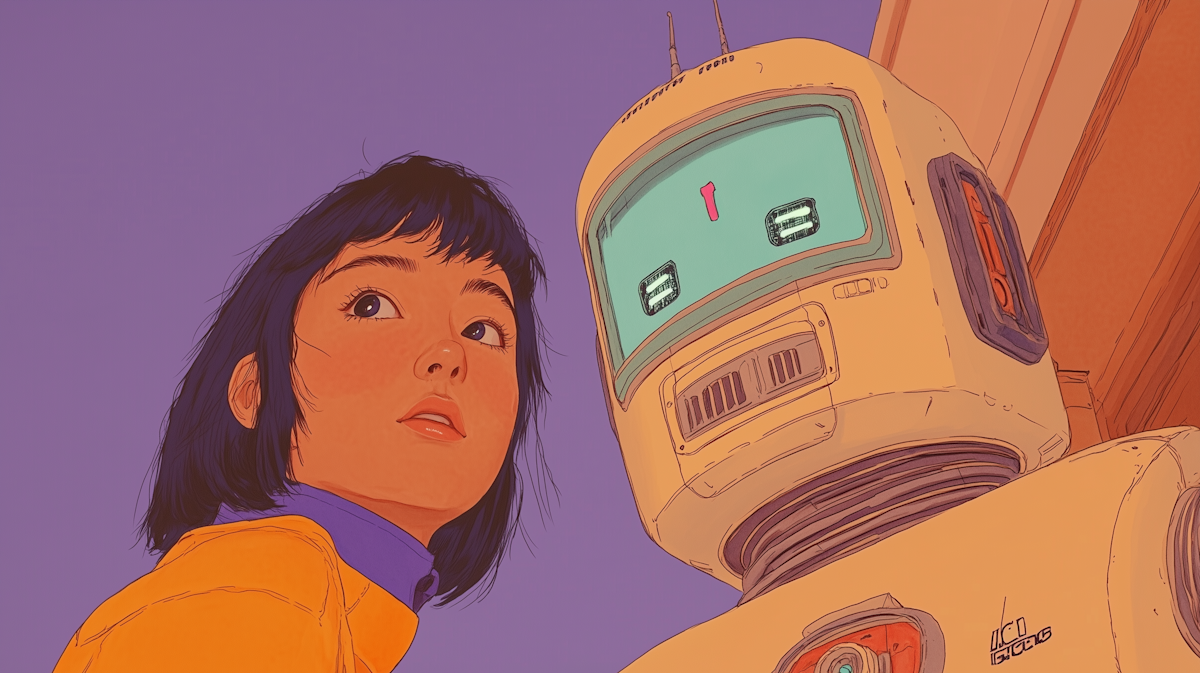
AI-first has become the new corporate reflex. Workers are starting to ask what it actually improves.
Platforms
Project Solara suggests the next AI gadget may be less like a Windows PC and more like a cloud-connected interface for agents.
Read the story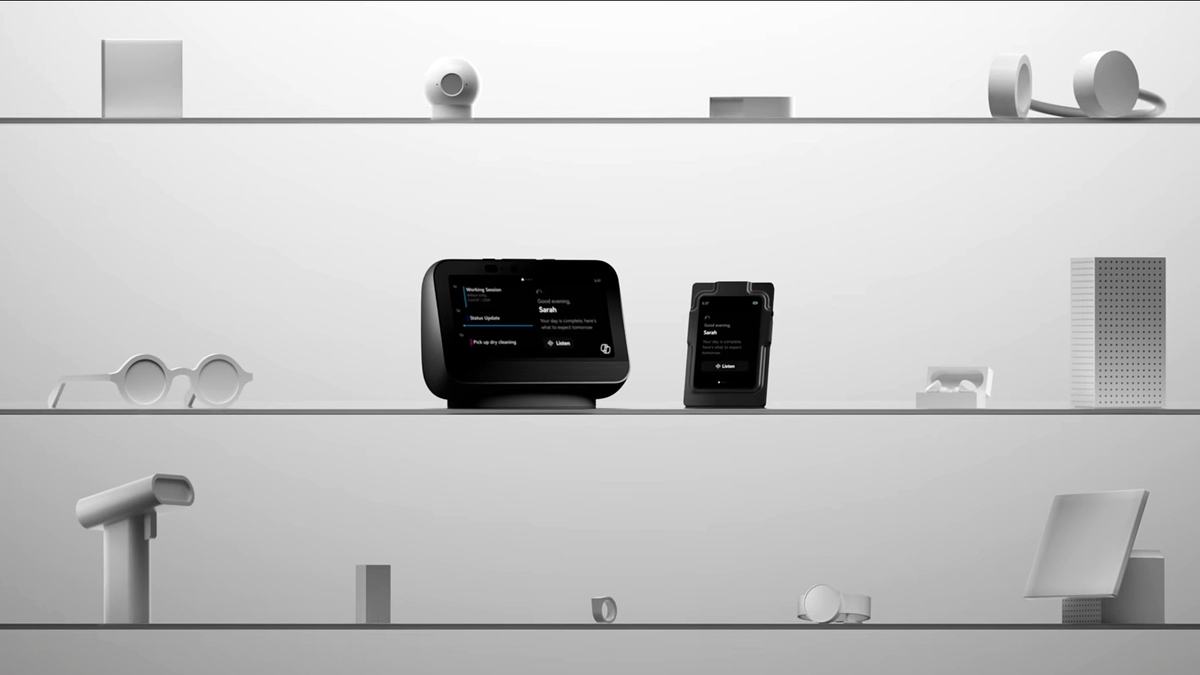
The OpenAI investigation is not just a policy story. It is about whether ChatGPT is safe enough for everyday users.
AI-first has become the new corporate reflex. Workers are starting to ask what it actually improves.
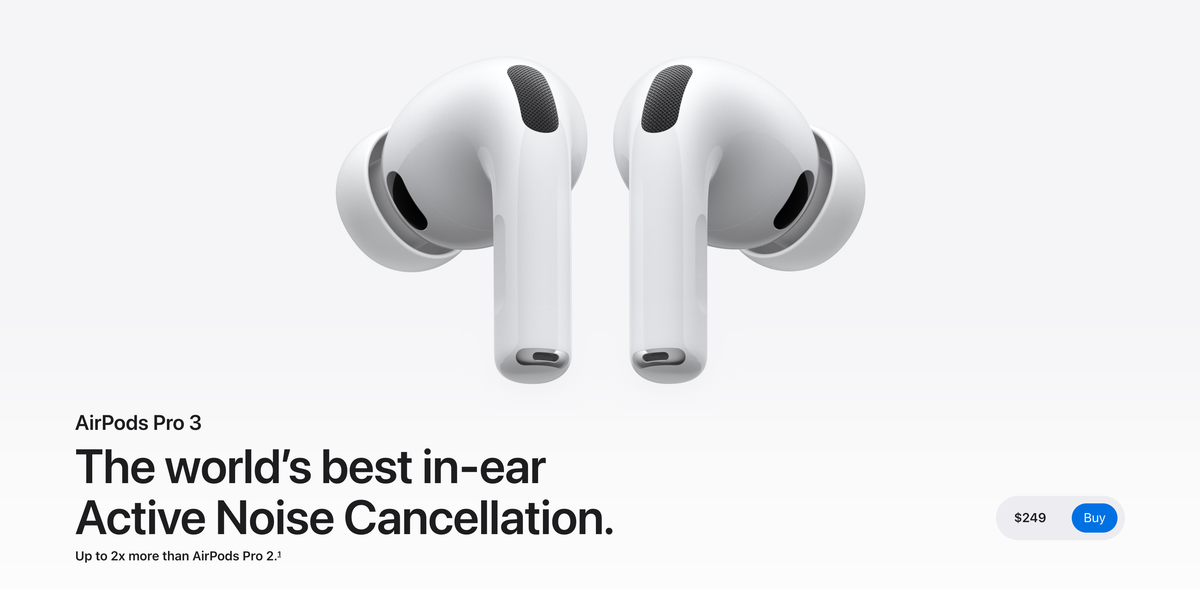
Apple reportedly wants to give AirPods cameras, not for photos, but to help AI understand the world around you.
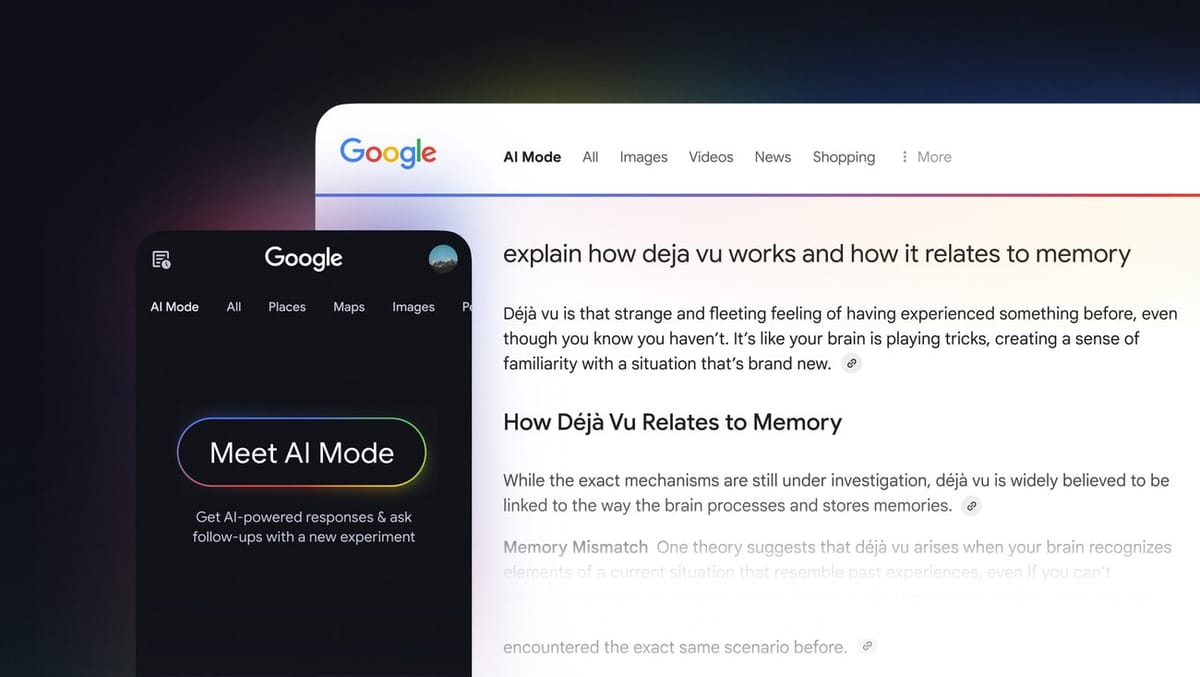
Publishers may finally get a way to refuse Google AI summaries without disappearing from search. The harder question is whether that choice arrives after the damage is done.

YouTube Premium now costs $15.99 a month in the US. It can still be excellent value, but only if you use the benefits that cheaper alternatives cannot replace.
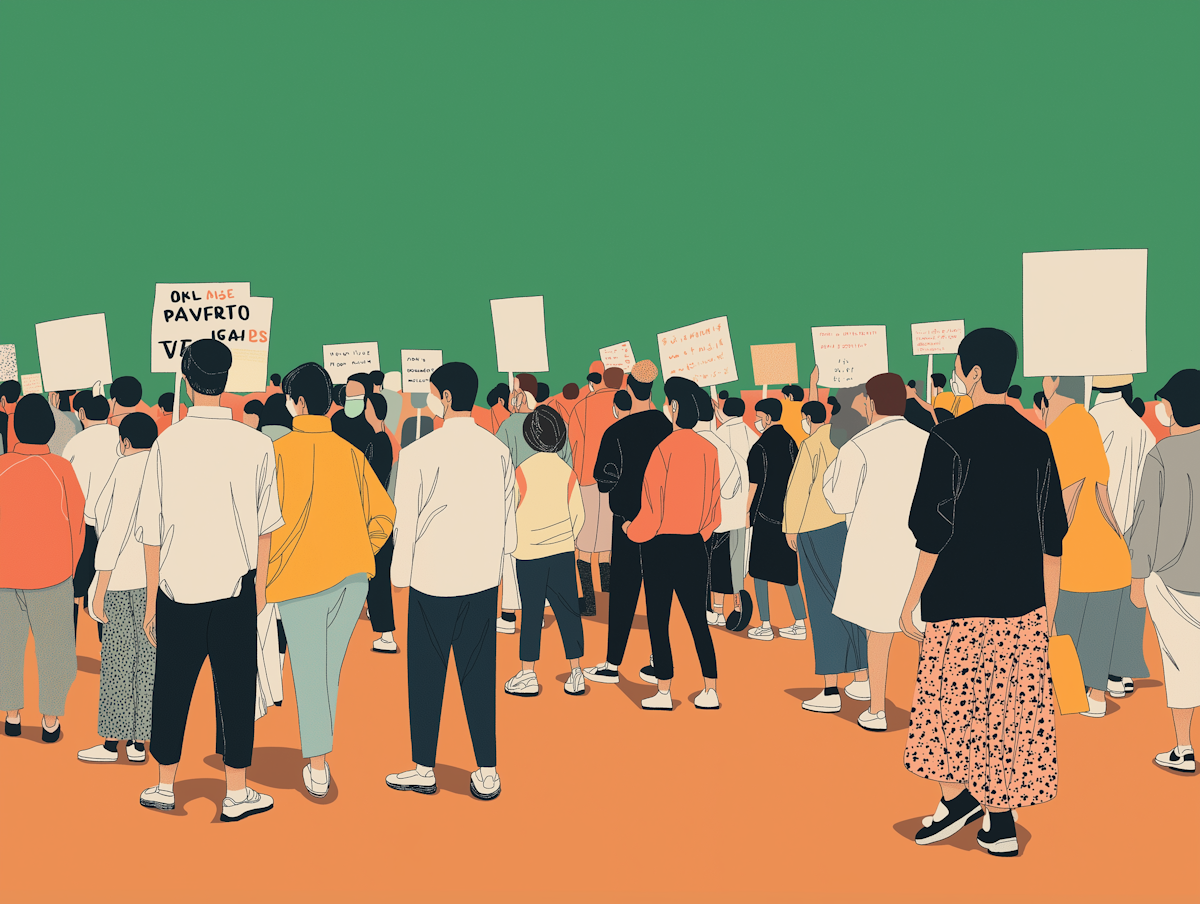
Reply Rules give Substack writers more control over conversation. They also confirm that a newsletter company with a social feed eventually inherits the responsibilities of a social network.
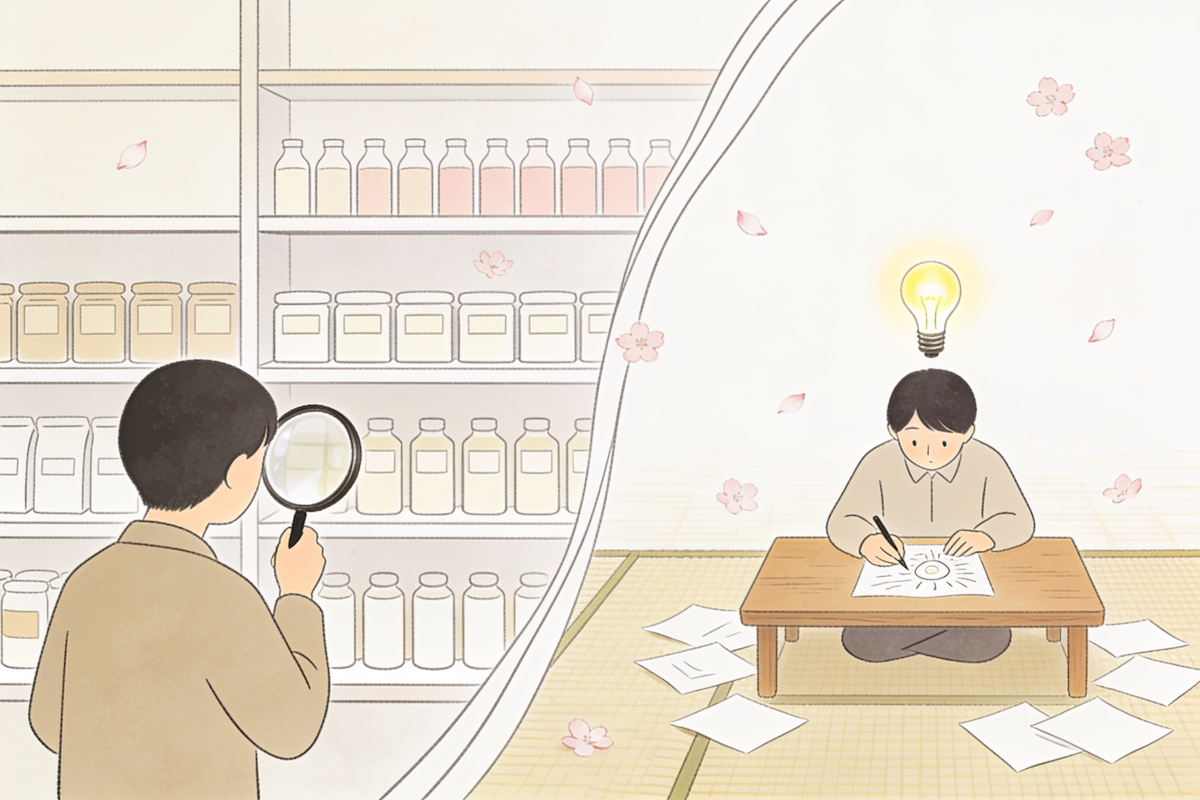
Amazon's visual search can now imagine the product you describe. That may make discovery easier, but it also weakens the image's oldest promise: that the thing exists.
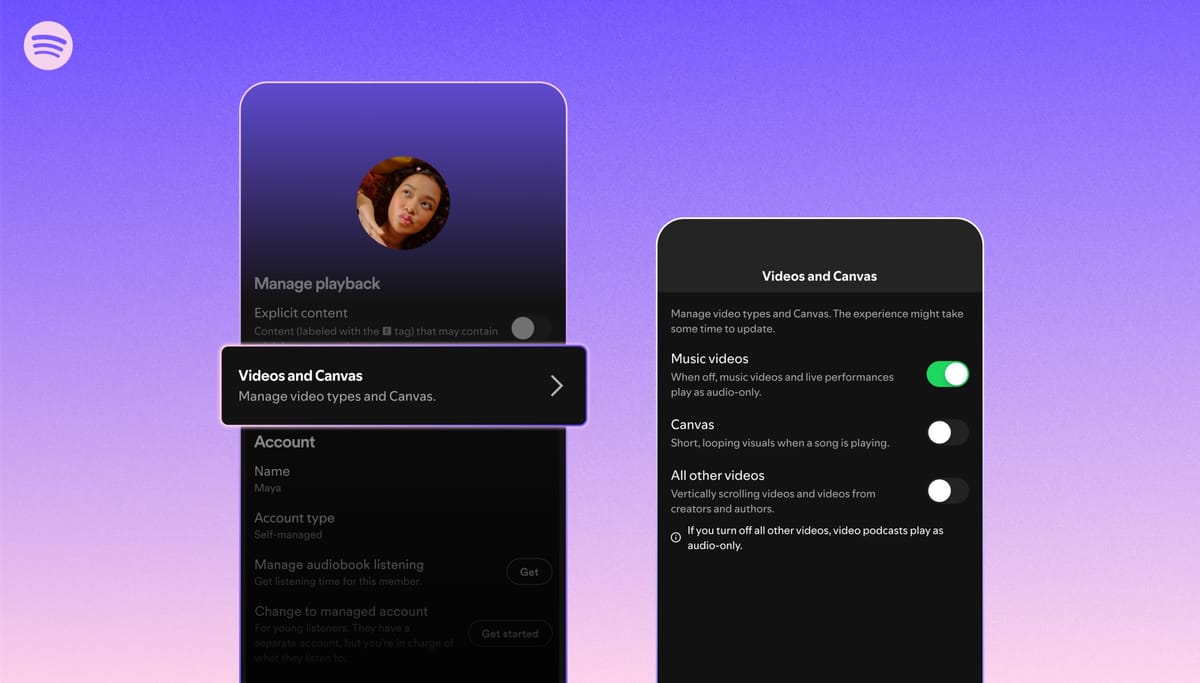
Spotify's latest controls let Family plan managers rein in music videos and Canvas, a small change that could make the app feel much calmer at home.
AI Overviews are no longer only a traffic problem for publishers. They are becoming a responsibility problem for Google.
Project Solara suggests the next AI gadget may be less like a Windows PC and more like a cloud-connected interface for agents.
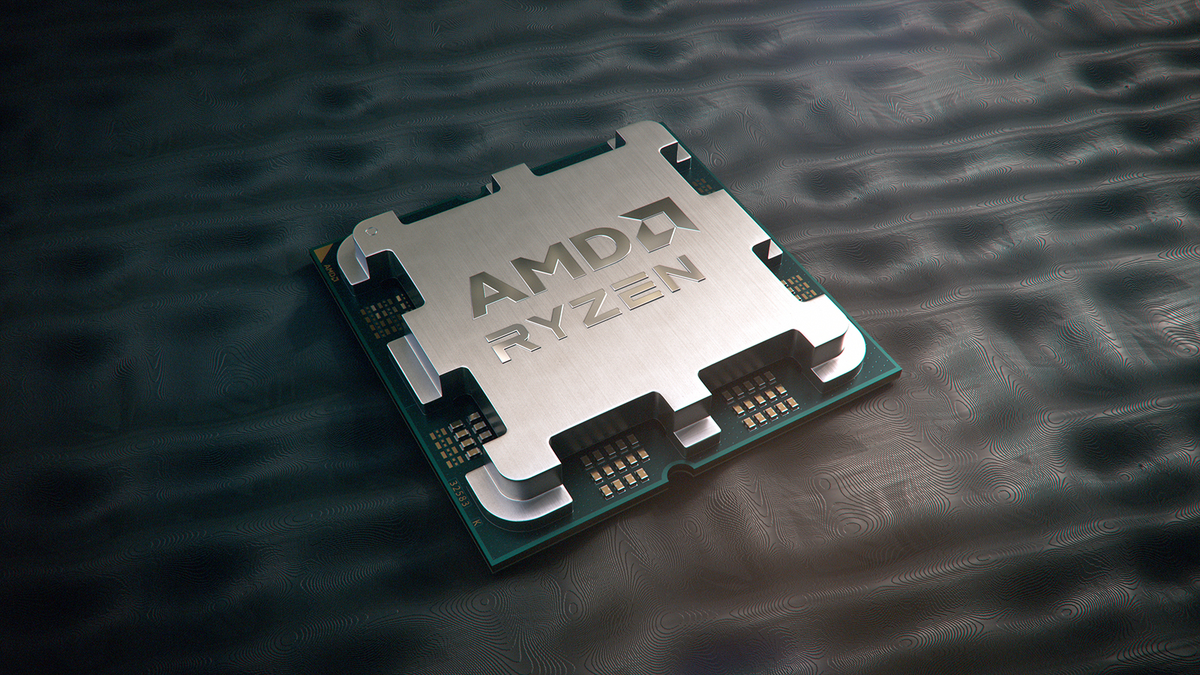
AMD's memory encryption rollback and reversal show why firmware-level PC features need clearer consumer disclosure.
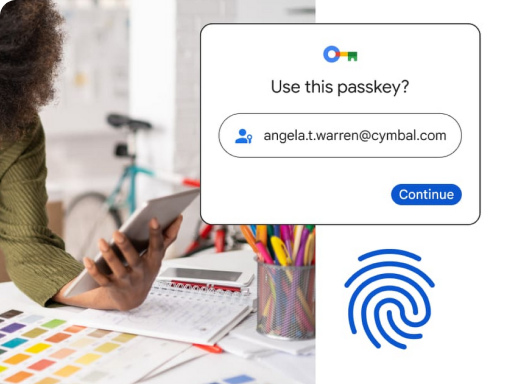
Losing a phone usually does not mean losing every passkey. The answer depends on whether your passkeys sync, what recovery methods you kept, and which ecosystem holds them.

Snap's new Specs are real consumer AR glasses, but their price makes them feel more like a category bet than a casual gadget.
Apple reportedly wants to give AirPods cameras, not for photos, but to help AI understand the world around you.
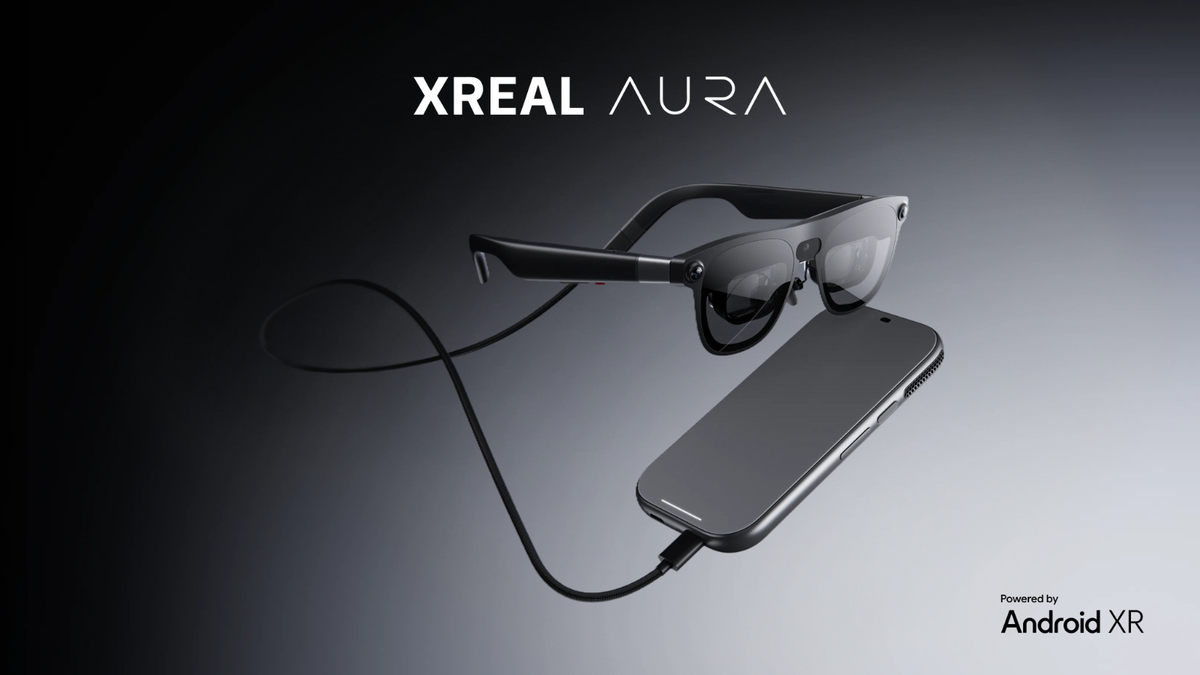
Android XR is no longer just a headset story. Xreal Aura shows how Google's spatial platform could move into lighter smart glasses.

Meta spent years making Supernatural part of its VR strategy. Letting it go independent may be the clearest sign yet that fitness works better as a product than a platform feature.
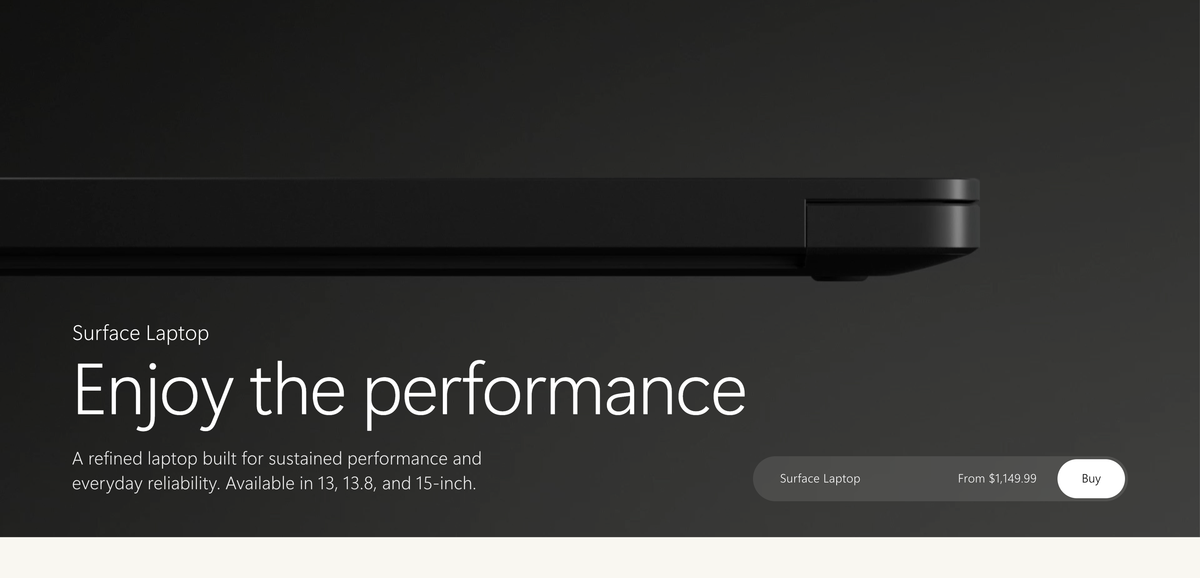
Snapdragon X2 gives the new Surface Laptop more power, but the price makes the value question harder.
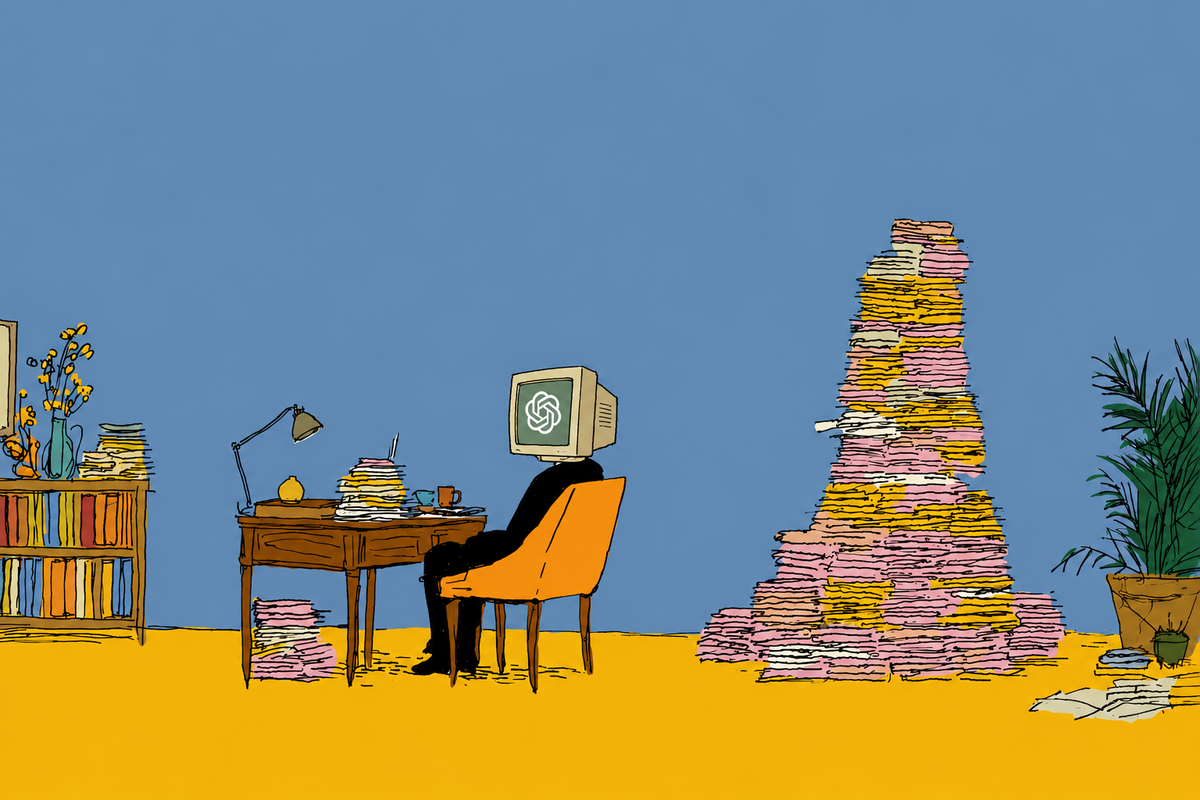
ChatGPT memory can make AI more useful, but it also changes what the tool knows about you. These are the settings to check before using it for real work.
AI subscriptions now stack up quickly. Here is how to decide which tools are worth paying for in 2026, which ones overlap, and where free plans are enough.
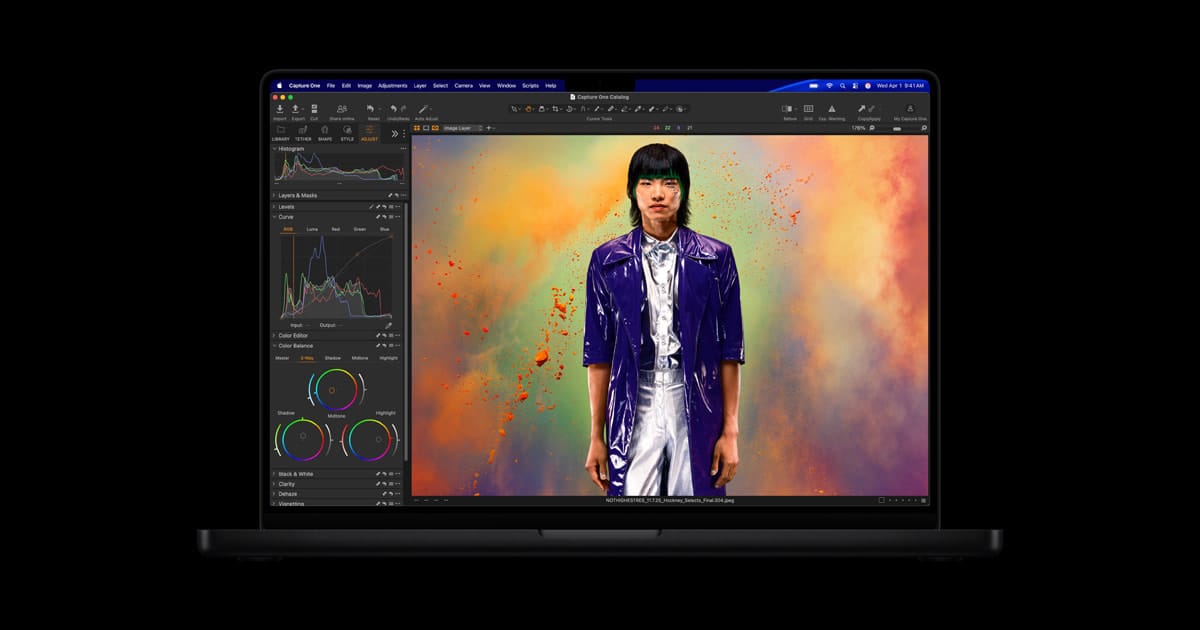
Apple's 2026 MacBook Pro lineup makes M5 Pro the smart default for many buyers, while M5 Max is built for heavier GPU and media workloads.
AI-first has become the new corporate reflex. Workers are starting to ask what it actually improves.

AI is not making quitting risk-free. It is making it easier to test founder-like ideas before the resignation becomes the point of no return.