Google and Samsung Roll Out 5 New Android XR Features
Google's latest Android XR update adds auto-spatialization, app pinning, visible hands, session restore, and a bigger immersive app library for Galaxy XR.
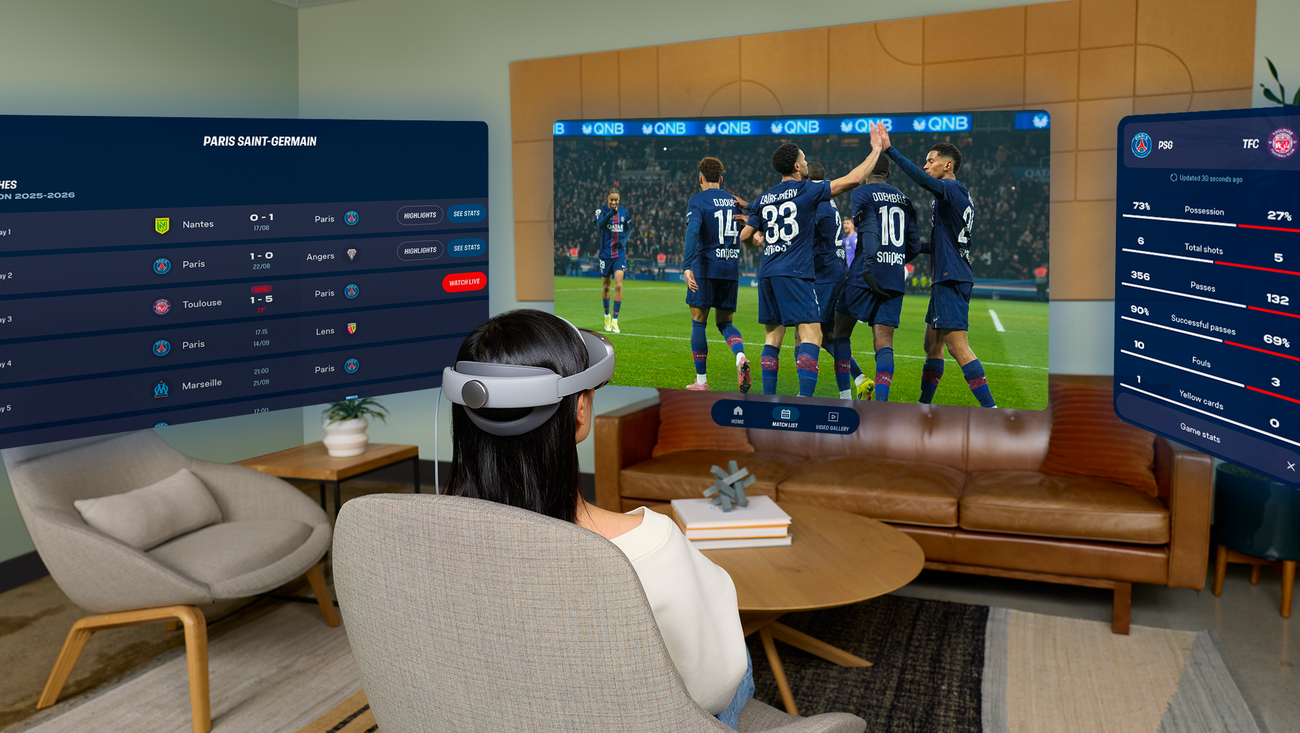
Google is rolling out five new Android XR features to Samsung Galaxy XR headsets, and the update is aimed squarely at making mixed reality feel less experimental and more lived-in. In a post published on April 7, 2026, Google outlined a batch of additions that includes auto-spatialization for 2D content, app pinning on walls, visible real hands in home space, session restore, and a growing library of immersive apps.
The update matters because Android XR still needs to prove that wearing a headset can feel natural for everyday computing, not just demos. These features are the sort of quality-of-life changes that often matter more than raw hardware talk once a platform is already in the market.
The biggest change is making old content feel newer
The headline feature is auto-spatialization, which Google says can turn almost any app, game, website, image, or video into a 3D experience with a single toggle. It launches as an experimental feature, but it points at a familiar XR problem: there is still far more 2D content in the world than native immersive content. If Android XR can convincingly add depth to the things people already use, that lowers the friction of adopting the platform.
Google is also emphasizing richer media workflows. Its Android XR help documentation for Google Photos on XR says users can already convert 2D photos and videos into 3D content, view panoramas and VR180 media, and move between multitasking and immersive viewing modes. Taken together, the updates suggest Google wants spatial media to feel like a built-in layer rather than a separate novelty.
Google is also fixing the feel of the interface
Several of the new features are less flashy but arguably more important. Users can now pin apps directly to walls so they stay anchored in the same place during a session. Home space can now show your real hands instead of white hand outlines, which should make interaction feel less abstract. And the system can restore the previous session automatically, reopening apps so users can jump back in where they left off.
Those are exactly the kinds of changes that make a platform feel less like a showcase and more like a place where work or entertainment can continue naturally.
It is also a push for app credibility
Google says there are now more than 100 apps built to take full advantage of XR, more than double the number available when Galaxy XR launched. That does not solve the content problem on its own, but it does give Google and Samsung a stronger answer to one of the first questions any new platform faces: what can I actually do on it right now?
The company also says the update includes new hand tracking, eye tracking, accessibility improvements, and Android Enterprise support on XR, which hints at a broader ambition beyond gaming or media. Google is trying to make Android XR look credible for work, collaboration, and training too.
Why this rollout matters
XR platforms do not win by launching once. They win by steadily reducing friction. This update does not reinvent Android XR, but it pushes the platform in the right direction: more natural controls, better persistence, more flexible screens, and more ways to reuse the content people already have.
That may be the real test for headsets in 2026. Not whether they can look futuristic, but whether they can start to feel normal.