Microsoft's Project Solara Explains Why AI Gadgets May Not Run Windows
Project Solara suggests the next AI gadget may be less like a Windows PC and more like a cloud-connected interface for agents.
Microsoft's Project Solara is interesting because it is not a Windows PC story. It is a story about what happens when AI devices stop behaving like traditional computers.
At Build 2026, Microsoft introduced Project Solara as a platform for "agent-first" devices. According to Tom's Hardware, the project uses the Microsoft Device Ecosystem Platform, or MDEP, which is based on the Android Open Source Project rather than Windows. Windows Central described it as Microsoft's attempt to outline "the next computer."
That sounds grand. The practical point is simpler: Microsoft is imagining AI hardware where the main interface is not a grid of apps. It is an agent.
What Project Solara is
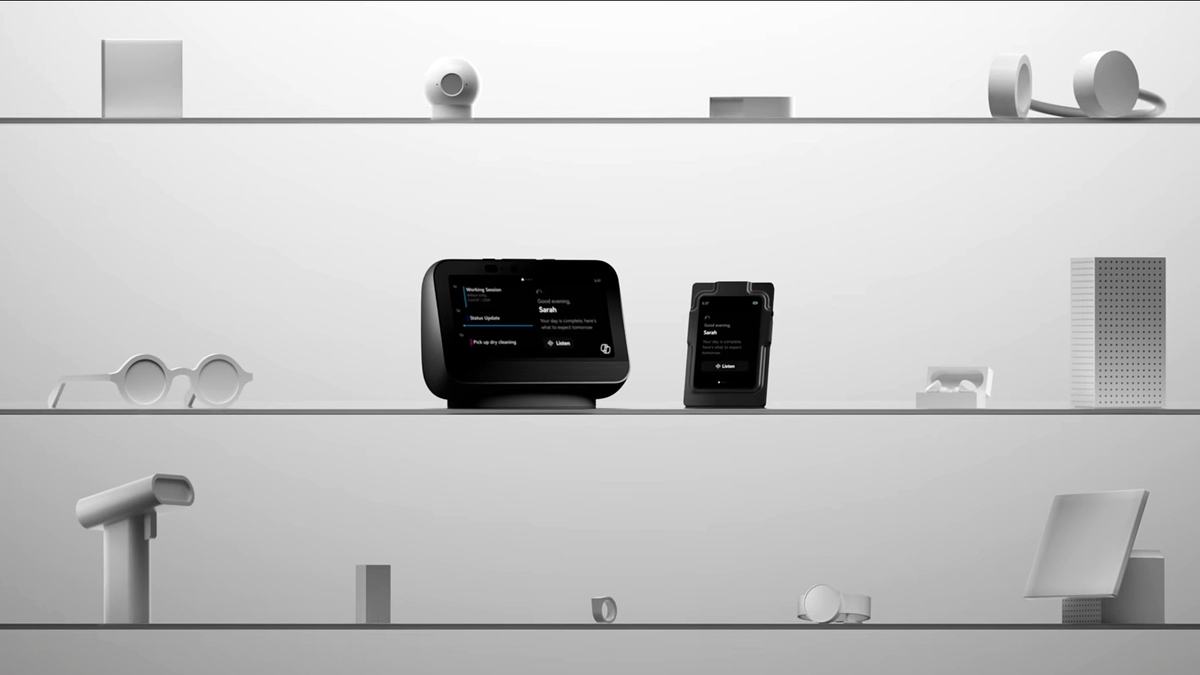
Project Solara is not a device you can buy. It is a reference platform and architecture for companies building new kinds of AI hardware. Microsoft showed concept devices including a desk device and a wearable badge, with chip partners such as Qualcomm and MediaTek in the picture.
The important idea is chip-to-cloud computing. Instead of every device acting like a full standalone computer, Solara devices can become interfaces to AI agents running across Microsoft's cloud and edge systems. The hardware listens, sees, authenticates, displays, and responds. The agent handles the work.
That is why the Android base matters. Microsoft is not trying to squeeze a small Windows PC into a badge or desk puck. It is building a thinner device layer for a world where the cloud and agent services do more of the heavy lifting.
Why not Windows?
Windows is built around decades of desktop computing assumptions: windows, files, apps, drivers, local software, and human control. That model still works for laptops and desktops. It makes less sense for a small wearable device that is supposed to quietly help a retail worker, nurse, field technician, or office worker.
An AI badge does not need to run Photoshop. A desk assistant does not need a Start menu. It needs secure identity, sensors, connectivity, a simple display or audio interface, and a way to summon the right agent at the right moment.
Project Solara suggests Microsoft knows that the next wave of AI hardware may not be won by shrinking the PC. It may be won by making devices that are barely computers in the old sense.
Enterprise first, consumer later
Solara is aimed at enterprise scenarios first. Tom's Hardware reported pilot partners including Best Buy, CVS Health, Levi's, and Target. That makes sense. Businesses can justify expensive, specialized devices if they improve workflows, authentication, training, or customer service.
Consumers are less forgiving. They will ask why a phone, smartwatch, smart speaker, or laptop cannot do the same thing. That is the central challenge for AI gadgets. The software vision often sounds exciting, but the hardware needs a reason to exist.
Still, enterprise devices often preview consumer habits. Smartphones, tablets, wearables, and voice assistants all moved between work and home in different ways. If Solara helps define what an agent-first device does at work, similar ideas could eventually show up in home devices, cars, headphones, and smart displays.
The agent-first bet
Most current computing still begins with the user choosing an app. Need a ride, open an app. Need a spreadsheet, open an app. Need a message, open an app. The agent-first pitch is that users should be able to state a task and let software coordinate across tools.
That is a huge platform shift if it works. It changes what operating systems compete over. Instead of controlling the app store, the platform controls identity, permissions, context, agent routing, and the user's trusted assistant.
Microsoft has a strong reason to care. If agents become the new interface, Microsoft wants Azure, Copilot, identity systems, and enterprise management tools to sit underneath them.
The bottom line
Project Solara is not proof that everyone will wear an AI badge. It is proof that Microsoft is preparing for devices that do not behave like PCs, phones, or tablets.
That may be the more important story. The first generation of AI gadgets has been awkward because companies keep asking what new hardware can do. Project Solara asks a better question: if agents become the interface, what kind of hardware do they need?