Prime Day 2026 Tech Deals: What Is Actually Worth Watching
Prime Day is full of noise. These are the tech categories worth watching and the ones that usually disappoint.
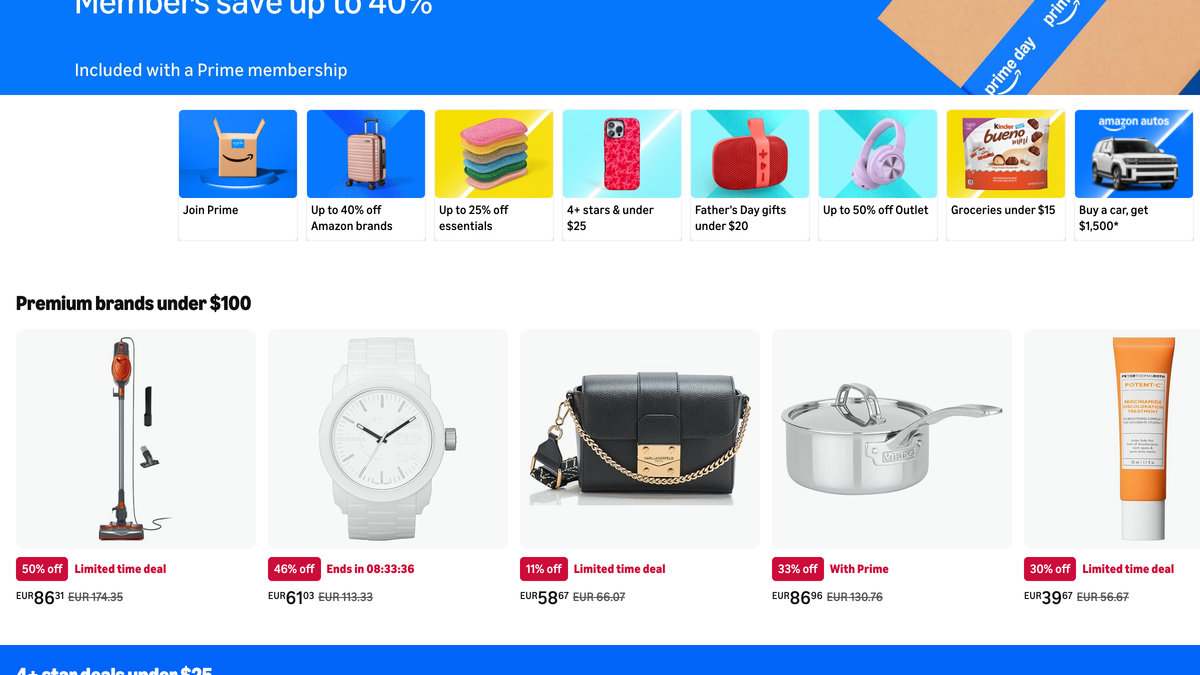
Prime Day is useful only if you know what to ignore. Amazon's sale is designed to make everything feel urgent. The better strategy is to decide which tech categories are actually worth watching before the deal pages start moving.
Prime Day 2026 runs from June 23 at 12:01AM PT to June 27 at 12:01AM PT, according to The Verge. Rival sales from Walmart and Target are running in the same window, which means shoppers should treat Prime Day as a wider retail event rather than an Amazon-only moment.
The goal is not to buy the most discounted thing. It is to buy the right thing at a real discount.
Best tech categories to watch
Wireless earbuds and headphones: Audio gear is one of the safest Prime Day categories because older premium models often drop after newer versions arrive. Look for reputable brands, clear return policies, and prices that beat recent sale history.
Robot vacuums: Robot vacuums regularly see meaningful discounts, especially models that are not the newest flagship. The best buys are usually midrange models with mapping, app controls, and reliable replacement parts.
Amazon devices: Fire TV sticks, Echo speakers, Kindles, Ring devices, and Eero routers often get aggressive discounts because Amazon controls the hardware and the marketplace. The catch is ecosystem lock-in. Buy them only if you actually want Amazon's services in that room.
Smart home basics: Plugs, bulbs, sensors, video doorbells, and security cameras can be good buys if they support the platforms you already use. Do not buy random smart home gear because it is cheap. Compatibility matters more than the discount.
Laptops and monitors: Good deals can appear, but specs matter. Check processor generation, RAM, storage, display quality, ports, and return policies. A low price on an old configuration is not automatically a deal.
Categories to be careful with
Brand-new phones: The newest phones often do not get their best discounts during Prime Day. Carrier trade-in deals, back-to-school sales, or launch promos may be better.
Unknown gadget brands: Prime Day is full of unfamiliar accessories, projectors, earbuds, chargers, and smart home devices. Some are fine. Many are forgettable. If the brand has no credible reviews, no clear warranty, and no support presence, skip it.
Storage and chargers with vague specs: Cheap power banks, USB-C chargers, and SSDs can be tempting. Buy only from known brands and check wattage, safety certifications, cable requirements, and real-world reviews.
Big-ticket TVs without model research: A TV discount means little if the model is a retail-only variant with weak brightness, poor local dimming, or limited gaming features. Know the exact model before buying.
How to check whether a deal is real
Use price trackers such as CamelCamelCamel before trusting the percentage discount. Amazon list prices can make a discount look larger than it is. Also compare the same product at Walmart, Target, Best Buy, and the manufacturer's own store.
Watch for bundles. A laptop with a better configuration may be a stronger deal than a cheaper base model. A robot vacuum with an auto-empty dock may be worth more than a bigger percentage discount on a barebones model.
Finally, check the return window. A Prime Day deal is less attractive if the product is hard to return after you discover it does not fit your home, desk, or workflow.
Prime Day 2026 FAQ
Do you need Prime to shop Prime Day? Most Prime Day deals require a Prime membership, though some discounts may be available more broadly.
Are early Prime Day deals worth it? Some are, especially Amazon devices and household tech. But compare price history before buying early.
Should you wait until the last day? Not always. Limited-time deals can sell out, but many broad discounts stay stable. If it is a major purchase, research matters more than timing.
The bottom line
Prime Day is best for planned purchases. It is worst when it turns browsing into impulse buying.
Make a short list before the sale starts: earbuds, robot vacuum, Kindle, monitor, laptop, smart home device. Set a target price. If the deal hits that price from a brand you trust, buy it. If not, let the sale pass.