Are Smart Rings Finally Worth It in 2026?
Smart rings are better and more competitive than they were a few years ago. Whether one is worth buying still comes down to sleep, subscriptions, and what you expect it to replace.
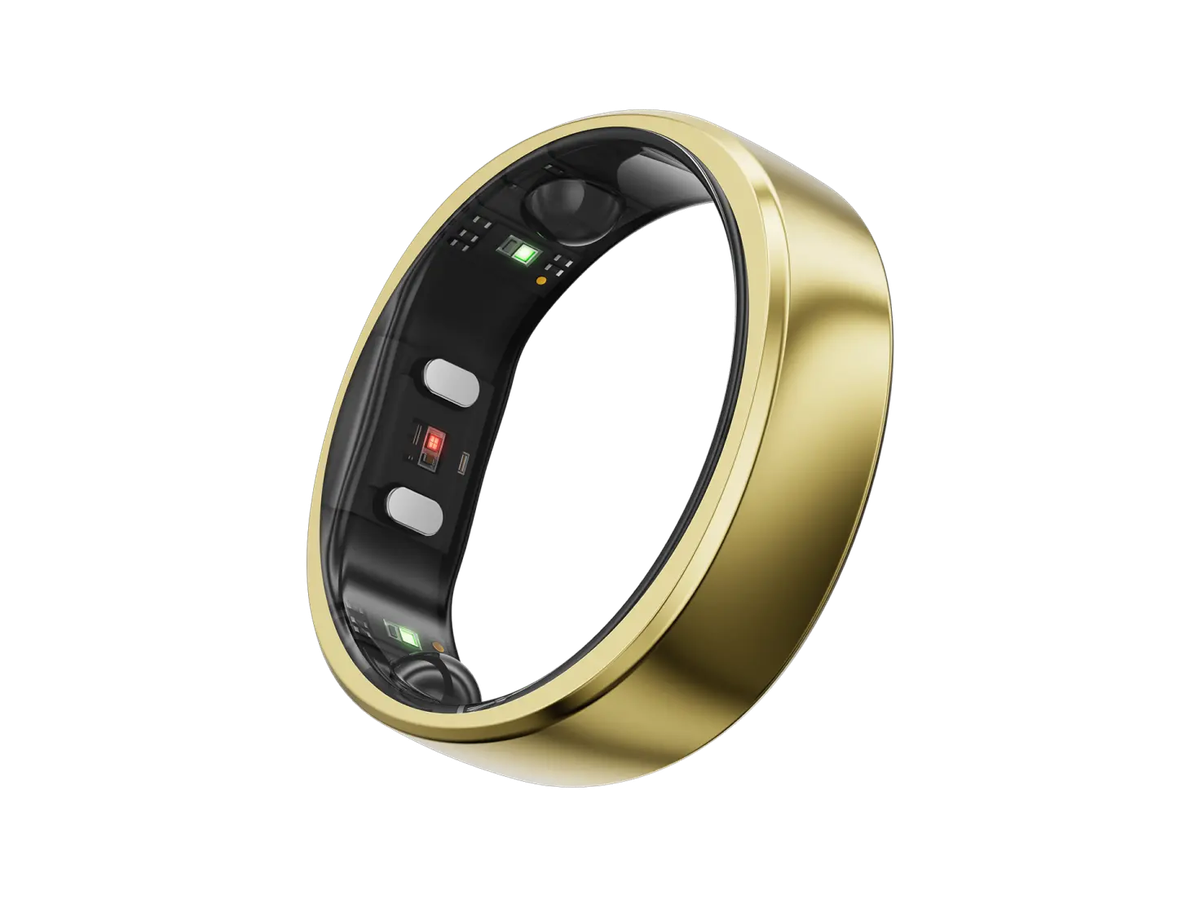
Smart rings have spent years being almost easy to recommend. They are smaller and less distracting than smartwatches, often better suited to sleep tracking, and finally available from more than one serious company. Yet the category still comes with awkward questions about sizing, subscriptions, accuracy, and what a ring is supposed to replace.
In 2026, those questions have better answers. Oura has announced its fifth-generation ring. Samsung's Galaxy Ring gives Android users a familiar ecosystem option. RingConn and Ultrahuman compete partly by avoiding recurring subscription fees. Smart rings are no longer an experiment.
They are also not tiny smartwatches. That distinction decides whether one is worth buying.
A smart ring is best at passive tracking
The category's core appeal is simple: a ring can collect health and recovery signals without putting another screen on your body. It can track sleep, resting heart rate, movement, temperature trends, and other measurements while asking very little from the wearer.
That makes smart rings especially attractive to people who dislike sleeping in a watch, want to wear a traditional watch, or are tired of notifications competing for attention. A ring does not invite you to reply to messages or close activity circles. It quietly collects data and leaves the interpretation to an app.
That quietness is a strength, but it is also the limit. A smart ring is not the right device for maps on your wrist, live workout metrics, phone-free calls, or controlling music during a run. If those are the features you value, a smartwatch remains the better purchase.
The category is more competitive now
Oura remains the most recognizable name in smart rings. The company says the new Oura Ring 5 is smaller, lighter, more scratch resistant, and designed to improve sensing and battery life. Its advantage is not only hardware; years of software development and health research have made the Oura app a large part of the product.
That software comes with an ongoing membership cost for full access, which changes the real price of ownership.
Samsung takes a different approach with the Galaxy Ring. It connects naturally to Samsung Health and does not require a subscription for its core insights. It makes the most sense for people already using a compatible Samsung phone and, potentially, a Galaxy Watch.
RingConn advertises up to 10 to 12 days of battery life for the RingConn Gen 2 and does not charge a subscription. Ultrahuman also markets the Ring AIR without a recurring data-access fee. Those alternatives make the category healthier because buyers can now decide how much they value an established app versus lower long-term cost.
The subscription question matters more than it seems
A smart ring is a long-term purchase built around trends. One night's sleep score is rarely important. Changes across weeks and months are the point. That means a monthly membership is not a minor detail; it becomes part of the product for as long as you use it.
Before buying, calculate the cost over three years, not only the price at checkout. Then ask what the subscription is paying for. If the app turns raw measurements into guidance you consistently use, the fee may be reasonable. If you only want basic sleep and activity trends, a no-subscription ring may make more sense.
This is also why switching rings is harder than switching earbuds. Your history, baselines, and habits become part of the value. The best smart ring is not necessarily the one with the longest feature list. It is the one whose app and business model you are comfortable keeping.
Fit is the feature nobody can review for you
Smart rings need close skin contact, and fingers change size through the day. Weather, exercise, sleep, and ordinary swelling can turn a comfortable ring into an annoying one. A ring that spins or sits too loosely may also collect worse data.
Use the manufacturer's sizing kit and wear the sample for more than a few minutes. Sleep in it. Type with it. Wash your hands. Notice whether it collides with another ring or feels uncomfortable when gripping weights.
This step sounds tedious, but it matters more than choosing between two minor software features. The most accurate ring in the world is useless in a drawer.
Smart rings still have clear weaknesses
Workout tracking remains a mixed reason to buy. Rings can record activity and heart-rate data, but athletes who need live pace, route maps, lap controls, or detailed training screens will still want a watch or dedicated computer.
Durability also deserves thought. Rings meet door handles, weights, desks, luggage, and every surface your hands touch. Scratches are normal. Some people remove them for strength training or manual work, which creates gaps in the supposedly passive experience.
Then there is data interpretation. A readiness or recovery score can be useful, but it can also make someone anxious about a perfectly ordinary bad night. Wearable metrics are signals, not diagnoses. A smart ring should help you notice patterns, not convince you that every number needs fixing.
Who should buy one
A smart ring is worth considering if sleep and recovery are your main interests, you dislike wearing a smartwatch overnight, and you are willing to use the app long enough to learn from trends.
It is also a good fit for people who want health tracking without another visible screen. The best version of the product disappears into a routine.
Skip it if you mainly want workout coaching, smartwatch functions, or a device that provides immediate information without opening a phone app. Also skip it if the ongoing cost or the idea of wearing a close-fitting ring all day already feels irritating.
The verdict
Smart rings are finally worth it in 2026, but only for a specific job: low-friction sleep, recovery, and wellness tracking. The hardware is mature enough, the competition is real, and buyers have meaningful choices about subscriptions and ecosystems.
Do not buy one because it is the newest kind of wearable. Buy one because you want the kind of data a ring collects, prefer its form to a watch, and have found a model comfortable enough to keep wearing. That is what separates a useful health device from an expensive piece of jewelry with a charger.