AMD's Ryzen Security Change Is a Reminder That PC Features Can Disappear Quietly
AMD's memory encryption rollback and reversal show why firmware-level PC features need clearer consumer disclosure.
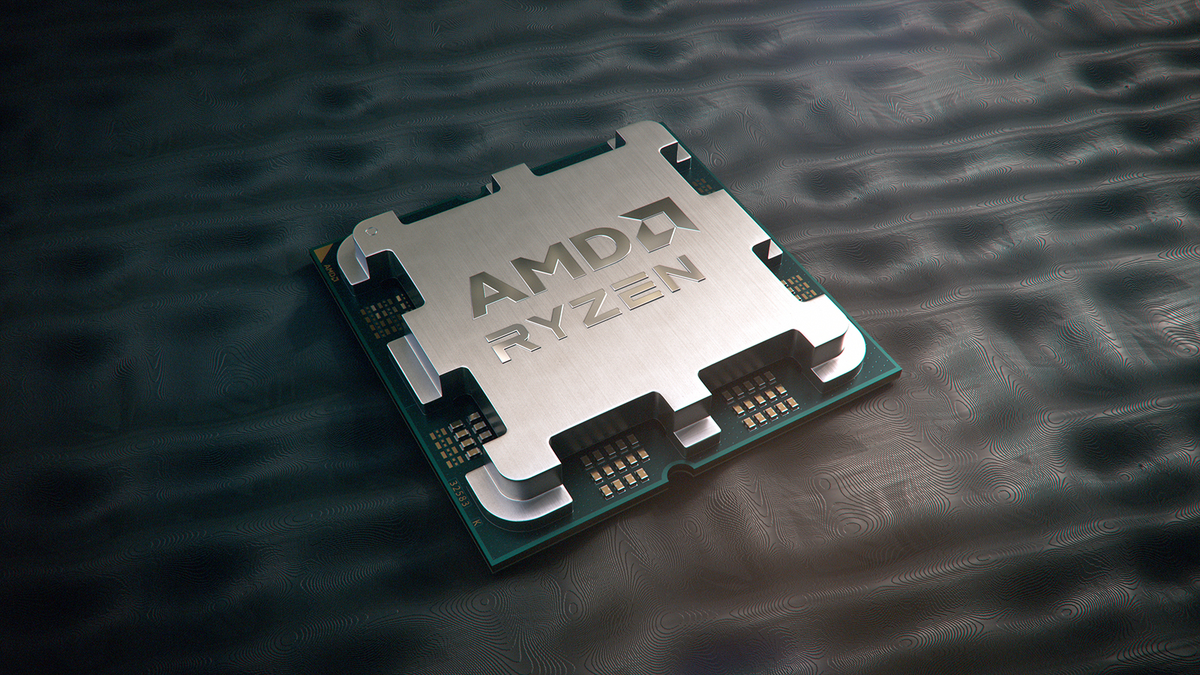
AMD's Ryzen memory encryption controversy is not only a security story. It is a trust story about what happens when a PC feature disappears quietly.
The short version: Transparent Secure Memory Encryption, or TSME, appeared to vanish from some consumer Ryzen systems after newer AGESA firmware. Tom's Hardware reported that the change left users unaware they might be losing a hardware-level memory protection feature. A few days later, AMD said it would restore TSME on Ryzen 9000 desktop processors through a July BIOS update.
That reversal is good news. It also raises the bigger question: how many normal PC owners would have known the feature disappeared in the first place?
What memory encryption does
Memory encryption is a protection layer for data sitting in RAM. It is not the same as encrypting a hard drive. It is designed to reduce the risk of certain physical attacks, such as attempts to read memory contents from a machine.
For most home users, that threat may sound remote. Someone usually needs physical access or a very specific attack path. But the feature still matters because it is part of the broader security posture of a computer. If a processor and motherboard support it, users should be able to know whether it is active.
That was the problem with the Ryzen situation. The controversy was not simply that a feature changed. It was that the change appeared to be poorly communicated and difficult for ordinary users to verify.
Why the reaction was so sharp
On Reddit, the story lit up privacy communities because it touched a nerve bigger than TSME. One top comment in r/privacy said, "They are trying to kill home computing." Another asked whether it was time to put more weight behind RISC-V.
Those reactions are dramatic, but the anxiety underneath them is real. PC buyers increasingly worry that hardware they own can be changed by firmware updates, feature segmentation, cloud requirements, subscriptions, or opaque vendor decisions.
That makes this a consumer story even if the technical details are niche. People do not need to understand every memory attack to understand the problem with silent feature removal.
AMD's reversal helps, but does not erase the issue
AMD's decision to restore TSME support on Ryzen 9000 chips is the right outcome for affected users. It also shows that community pressure can work. But reversals do not automatically fix trust.
When security features change, vendors should explain what changed, which products are affected, what users can check, and when a fix is coming. That communication should not require forum archaeology, Linux commands, or weeks of community pressure.
That is especially true for firmware-level features. A software app can show release notes. A browser can put a toggle in settings. Firmware changes are more obscure. Many users install motherboard updates because they are told updates improve stability or security, not because they expect features to disappear.
The ownership question
The modern PC is still marketed as a device you own and control. In practice, the experience depends on firmware, vendor support, cloud services, driver updates, and security policies that can change after purchase.
That does not mean every change is malicious. Hardware vendors have to manage bugs, compatibility, segmentation, and support. But when a security feature is present one day and gone after a firmware update, the owner needs a clear explanation.
Otherwise, the message is unsettling: the computer is yours, but some of its capabilities remain conditional.
The bottom line
AMD appears to be fixing the immediate Ryzen 9000 TSME problem. The larger lesson is that consumer hardware security needs better disclosure.
PC buyers should not have to discover missing security features through hobbyist audits and Reddit threads. If a feature matters enough to include, it matters enough to explain when it changes.