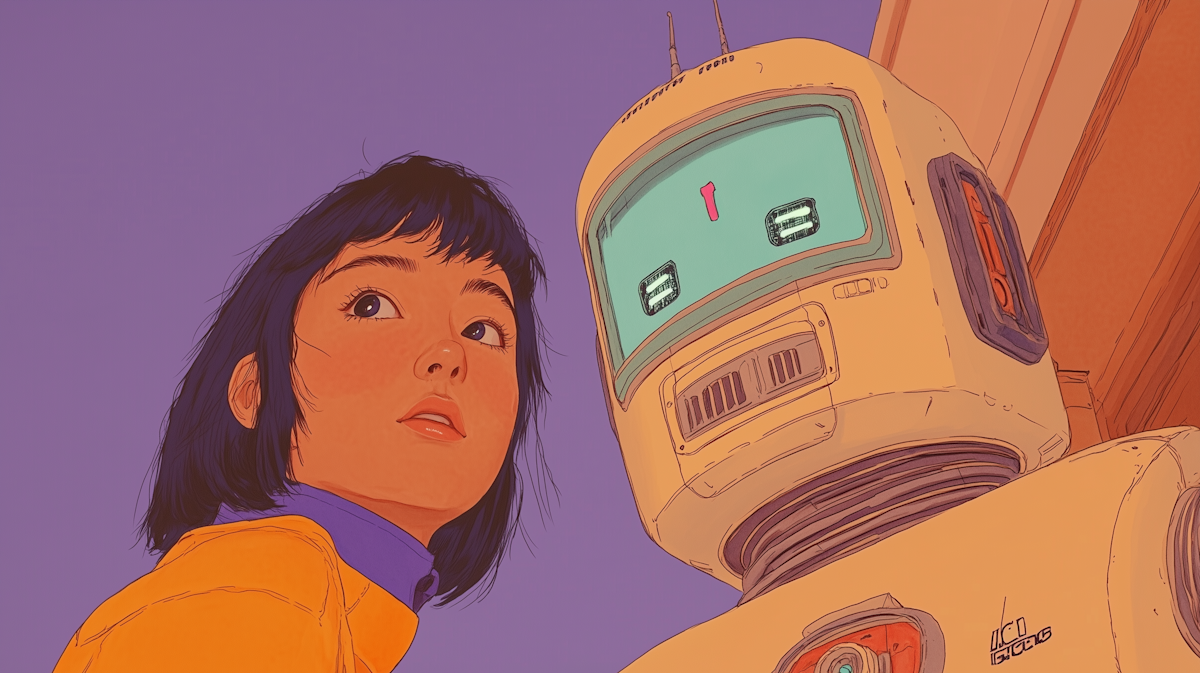
The Cyberdeck Is Back Because Personal Computers Stopped Feeling Personal
Cyberdecks are awkward, handmade, and often less practical than a laptop. That is exactly why they make personal computing feel personal again.
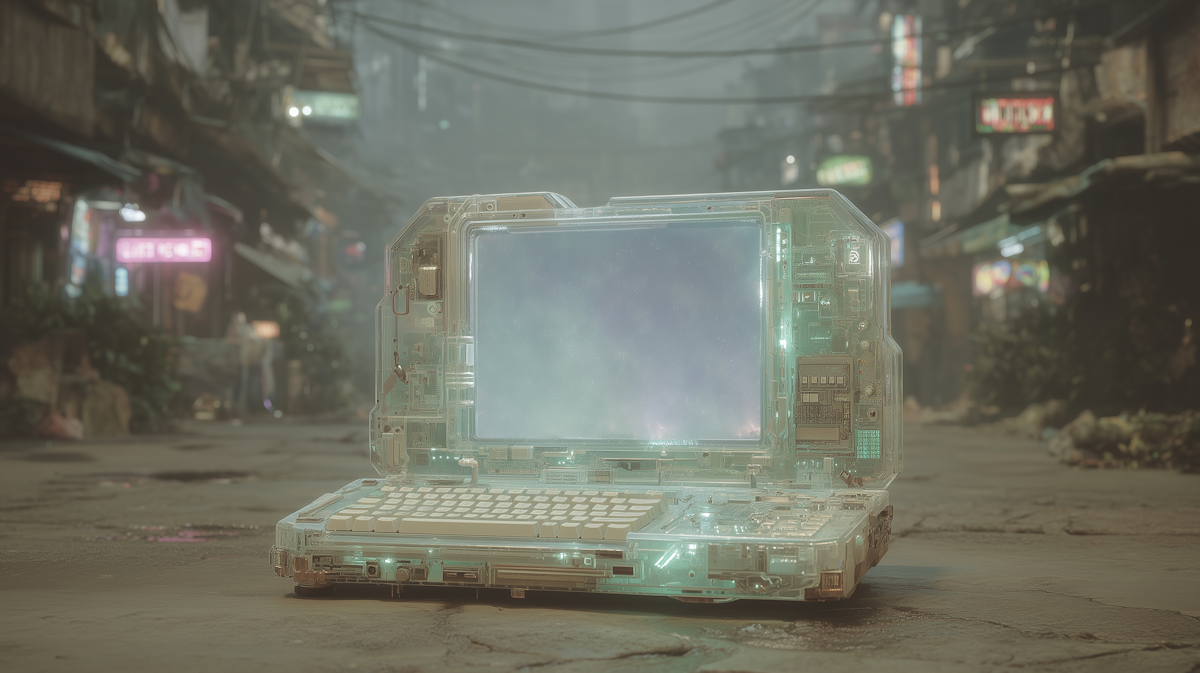
A cyberdeck is usually worse than a laptop at being a laptop. It can be heavier, stranger, less polished, and more difficult to use. Its screen may be too small. Its keyboard may be oddly placed. Its battery life may depend on whatever parts the builder could fit into the case.
That is not a failure of the form. It is the reason people keep building them.
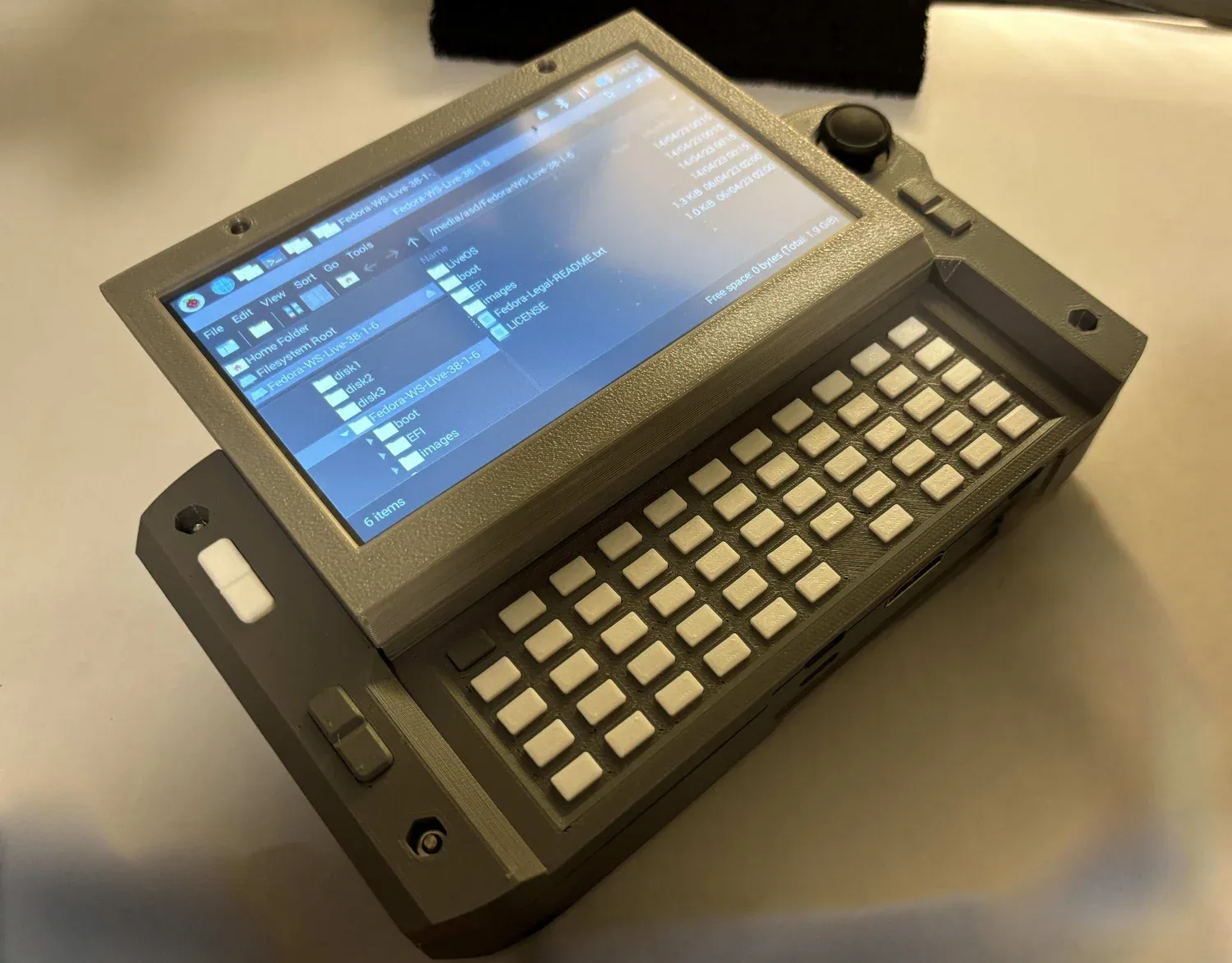
Cyberdecks are handmade portable computers inspired by the improvised machines of cyberpunk fiction. Some are built into rugged cases. Others wrap a Raspberry Pi, tiny display, mechanical keyboard, radio equipment, sensors, or vintage hardware into an object that looks rescued from a film set. There is no agreed specification. The lack of one is essential.
At a time when consumer computers are thinner, more powerful, and less physically negotiable than ever, the cyberdeck offers a different promise: this machine can belong to one person so completely that nobody else would have designed it.
The name came from fiction, but the appeal is physical
Cyberpunk imagined computers as tools people carried into contested systems. A deck was not merely a generic terminal. It was personal equipment, modified for its operator and often visibly repaired.
Modern cyberdecks borrow that visual language without needing to recreate the fiction literally. The community at Cyberdeck Cafe describes and showcases builds ranging from wearable terminals to compact machines in weatherproof cases. Raspberry Pi projects have made the form especially accessible because a small, inexpensive computer can be paired with almost any display, input method, or enclosure.
The result is computing expressed through screws, hinges, cables, switches, and compromises. A cyberdeck shows how it was made. That alone makes it feel different from a sealed slab.
Personal computers became personal through software
Modern laptops are extraordinarily capable and remarkably uniform. A premium computer is designed to disappear into work. It opens, wakes, syncs, updates, and runs the same services as millions of identical machines.
Personalization has moved into wallpapers, accounts, apps, browser tabs, and cloud data. The hardware itself is usually something a person selects rather than shapes.
This uniformity is not sinister. It is how computers became reliable, portable, and widely useful. Tight integration produces excellent battery life, performance, displays, and security. Most people do not want to debug a power supply before sending an email.
But there is a loss inside that success. The computer becomes harder to understand as an object and easier to treat as an appliance rented from a software ecosystem. The machine may contain a person's entire working life while offering almost no visible evidence of who that person is.
A cyberdeck moves personalization back into the hardware.
Building one forces a decision about purpose
A general-purpose laptop has to serve everyone reasonably well. A homemade computer can serve one task extremely well and ignore the rest.
A builder might create a deck for amateur radio, field research, retro games, writing, network testing, music, photography, or simply the pleasure of making an unusual object work. Every choice follows from that purpose: screen brightness, ports, keyboard, controls, storage, connectivity, cooling, and battery.
The limitations become part of the design. A tiny screen discourages multitasking. A dedicated keyboard invites writing. A rugged case makes sense outdoors and looks absurd in a cafe. A large physical switch may do one job that software could accomplish with three clicks.
That specificity is rare in consumer computing, where one device is expected to be a workplace, cinema, studio, storefront, classroom, and social space at once.
Cyberdecks are an answer to sealed technology
The movement also reflects a wider appetite for repairable and understandable devices. People are increasingly aware that the products they own may be difficult to fix, upgrade, or use outside the manufacturer's preferred services.
A cyberdeck is not automatically repairable or sustainable. A poorly planned build can become a box of unused parts. But the process encourages a different relationship with failure. If a component breaks, the machine's continued existence depends on the builder's willingness to replace, redesign, or work around it.
That makes repair feel less like restoring a product to its official condition and more like continuing the design.
The same impulse can be seen in mechanical keyboards, modular synthesizers, home servers, custom game controllers, and handheld-computer projects. People are not rejecting polished technology. They are looking for places where technology still permits authorship.
The impracticality is part of the point
It is easy to dismiss cyberdecks as props: expensive ways to make a Raspberry Pi perform tasks a normal laptop handles better. Some builds are exactly that. They exist because the builder wanted a machine with a handle, a glowing screen, and the atmosphere of a future imagined decades ago.
That is enough.
Consumer technology is often evaluated through friction removal. Faster setup, fewer ports, invisible syncing, automatic decisions. Cyberdecks reintroduce friction deliberately. They ask the owner to understand dimensions, voltage, heat, ergonomics, software, and the stubborn incompatibility of physical parts.
The reward is not efficiency. It is a sense of consequence. When the machine works, it works because someone made a long series of decisions and accepted the awkward result.
A computer can be a place again
There is a cultural reason these projects feel timely. Much of modern computing happens inside the same handful of platforms, regardless of the device being used. Work, entertainment, communication, and identity flow through browser windows and cloud accounts that look nearly identical everywhere.
A cyberdeck creates a boundary around an activity. It can be built for a specific environment and remain indifferent to everything else. The object itself announces that computing is happening here, for this purpose, on this person's terms.
That may be why the form has outgrown its science-fiction reference. The future it offers is not necessarily more advanced. It is more tangible.
The personal computer is personal when it reveals a person
Cyberdecks will not replace laptops, nor should they. Their value is not that everyone needs one. Their value is that they preserve an alternative idea of what a computer can be.
A computer can be optimized by a large company until almost every inconvenience disappears. It can also be built by one person until every inconvenience tells a story.
The cyberdeck is back because personal computers stopped feeling personal in their hardware. These homemade machines return personality through excess, limitation, repair, and visible intention. They are awkward evidence that the most intimate technology is not always the technology that works most smoothly. Sometimes it is the technology that shows who bothered to make it work at all.