Google's AI Search Opt-Out Is a Choice Publishers Cannot Afford
Publishers may finally get a way to refuse Google AI summaries without disappearing from search. The harder question is whether that choice arrives after the damage is done.
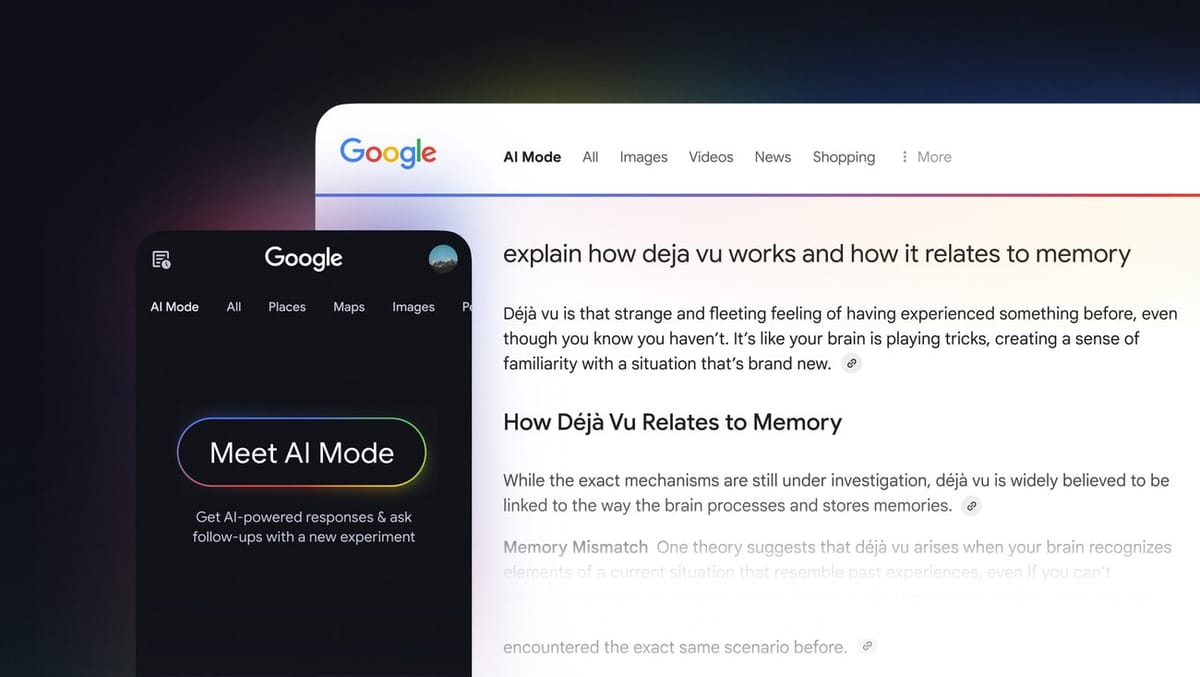
For years, Google's bargain with the web was easy to understand. Publishers allowed the company to crawl their pages. Google organized those pages and sent readers back. Neither side loved every part of the arrangement, but the exchange was visible.
AI search has made that bargain harder to see. Google can now turn reporting, guides, reviews, and reference material into an answer that appears before the links. The publisher still supplies the knowledge. The search engine increasingly supplies the experience.
A proposed UK rule would give publishers a long-requested control: the ability to refuse use of their content in Google's Search AI features without also disappearing from ordinary search. It sounds like a modest technical setting. It is actually an admission that the old web bargain no longer describes what Google is building.
The control matters because the current choice is not real
The UK Competition and Markets Authority's proposed publisher conduct requirement says Google should provide meaningful controls over how publisher content is used in generative AI responses. Crucially, exercising those controls should not remove a site from other search features.
That separation is the entire issue.
A publisher can already block Google from crawling its site. In practice, doing so can mean sacrificing visibility in the search engine that many readers use to find the web. A choice between participating in AI summaries and becoming harder to discover is not much of a choice. It asks publishers to negotiate while Google owns the doorway.
The proposed rule attempts to split two activities that Google has treated as one: indexing a page so people can find it, and using that page to generate an answer that may reduce the need to visit it.
An AI answer changes where the value lands
Traditional search results also extract value from publishers. Google displays headlines, snippets, images, ratings, and other structured information before a click. But the link remains the basic unit of the experience. Search helps a person choose where to go next.
An AI-generated answer has a different ambition. It tries to complete more of the task inside Google.
That can be useful for readers. A clear answer is faster than opening five tabs, dismissing five cookie banners, and reconstructing a conclusion. It is also useful for Google, which gets to keep the user, own the interface, and decide which sources receive attention.
The cost is easiest to miss when it is distributed. One fewer visit to one article is insignificant. The same pattern across millions of searches changes whether independent sites can fund the reporting and expertise that make good answers possible.
A January 2026 research paper examining AI search and publisher traffic found that generative results can reduce clicks to outside websites. The exact impact will vary by query and product design, but the direction is not surprising: when the answer is placed before the source, fewer people need the source.
Opting out may still be economically impossible
Even with a separate control, publishers will have to decide whether refusing AI use is worth the potential loss of visibility inside the fastest-growing part of search.
Google can comply with an opt-out while making inclusion feel indispensable. AI answers may become the most prominent part of the results page. Sources included in them may receive citations, brand exposure, or occasional traffic. Sites that refuse may keep their blue links but lose the part of the page where attention has moved.
This is the deeper platform problem. A dominant intermediary does not need to punish a business explicitly. It can simply redesign the environment until declining its new terms feels commercially reckless.
Large publishers may be able to test the consequences, negotiate licensing deals, or build direct audiences. Smaller sites face a harsher calculation. They often depend more heavily on search traffic and have less data with which to judge what AI inclusion is worth.
Google is not wrong that search must change
There is a weak version of the criticism that imagines Google should freeze search in an earlier era. That is unrealistic. People are asking longer questions. They expect comparison, synthesis, and conversational follow-ups. Competitors are training users to treat search as an answer engine.
Google has to respond.
The important question is not whether search can summarize the web. It is whether the companies and people who make the web have meaningful agency in that process, and whether the resulting system continues to reward the creation of original material.
A search engine that answers more questions can be an excellent product. A search engine that gradually weakens the sources beneath those answers is a short-term product built on a long-term problem.
Controls are only the beginning
A genuine publisher choice needs more than a settings page. Publishers need clear reporting about when their work is used, how sources are selected, what traffic AI features generate, and whether opting out affects visibility elsewhere. They need protections against the control becoming a hidden ranking signal. They also need a way to distinguish between different uses rather than accepting or rejecting "AI" as one broad category.
Regulators will have to judge outcomes, not only interfaces. Google can build a technically compliant switch that nobody can afford to use. The meaningful test is whether publishers can exercise the choice without being quietly excluded from the future of search.
The proposed UK rule recognizes something important: crawling the web and reproducing its value are no longer the same activity. They should not be governed by the same permission.
The web needs a bargain people can refuse
Google's AI search opt-out is necessary because publishers should not have to leave search entirely to set a boundary around generative use. But the control alone will not rebalance the relationship.
For that, opting out must be a viable decision, not a principled route to invisibility. The web has always depended on imperfect exchanges between creators, platforms, and readers. AI search will need a new one.
A bargain is only a bargain when both sides can say no.