Snap Specs Are Finally Consumer AR, But the Price Makes Them a Bet, Not a Buy
Snap's new Specs are real consumer AR glasses, but their price makes them feel more like a category bet than a casual gadget.
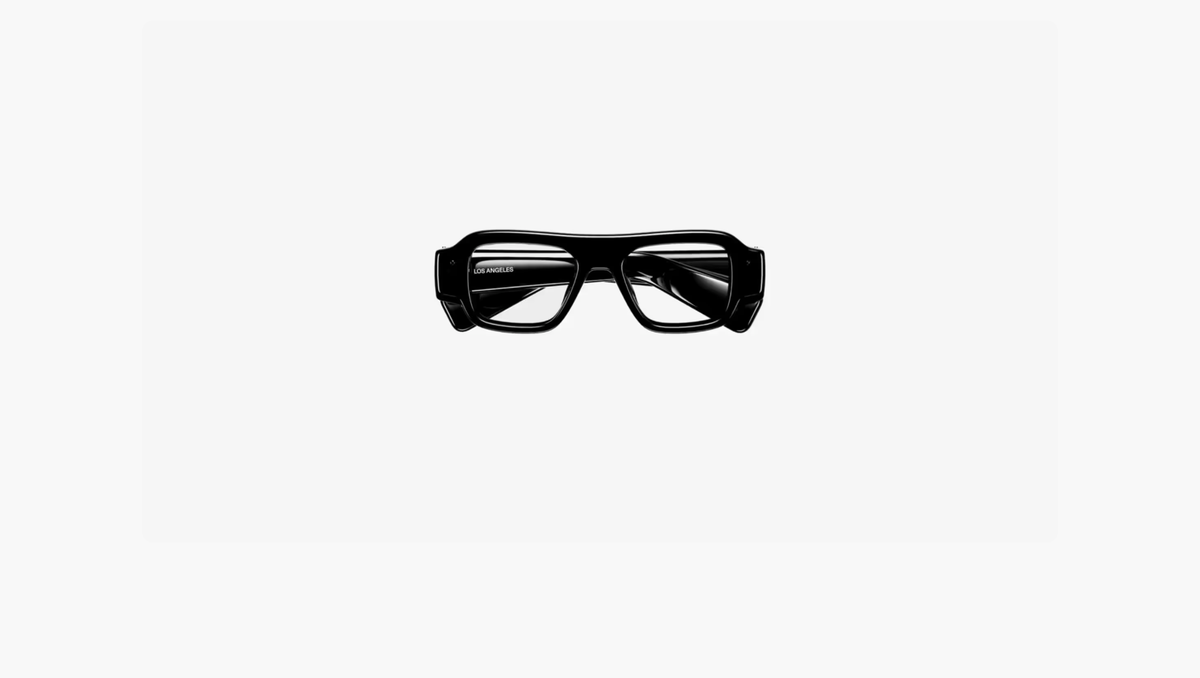
Snap's new Specs make consumer augmented reality feel real and expensive at the same time. That is the tension. The product is no longer only a developer demo or a private prototype. It is something people can reserve. But at $2,195, it is not yet the kind of gadget most people buy because it looks fun.
Snap unveiled the new Specs at Augmented World Expo, and Wired reports that they are priced at $2,195 with a refundable preorder deposit. Axios framed them as Snap's latest attempt to make AR glasses a mainstream computing platform rather than a camera accessory.
That makes Specs one of the clearest tests of the AR market in 2026. The question is not whether the technology is impressive. The question is whether impressive is enough.
What Snap is trying to sell
Specs are not the old Spectacles, which were mostly about recording short videos. Snap is now pitching AR glasses as a way to put digital objects, games, tools, and information into the world around the wearer.
The new model includes private displays, hand tracking, AI visual assistance, Bluetooth support, and onboard processing, according to Wired. The company is also promising roughly four hours of battery life with help from a charging case.
Those details matter because AR glasses need to work as a self-contained product. A headset can be bulky because people use it for specific sessions. Glasses carry a harsher expectation. They have to be comfortable, socially acceptable, useful, and reliable enough to wear beyond a controlled demo.
The price changes the audience
At $2,195, Specs are competing with premium laptops, multiple phones, and serious camera gear. That makes the buyer pool narrow. Early adopters, developers, creators, and AR obsessives may see the price as an investment. Normal consumers will ask what problem the product solves today.
That is the hardest part of AR. A phone has obvious jobs. A laptop has obvious jobs. Headphones have obvious jobs. Smart glasses still have to prove their daily role. Navigation, translation, games, messaging, visual search, and creator tools all sound useful, but they do not automatically add up to a must-have device.
The price also makes comparison inevitable. Meta's Ray-Ban glasses are far cheaper and more socially normal, even though they are not full AR. Apple's Vision Pro is more expensive but has a more immersive display and a clearer computing pitch. Snap is trying to occupy the middle: lighter than a headset, more ambitious than camera glasses.
Snap has one advantage most AR rivals do not
Snap has spent years building lenses, camera effects, creator tools, and AR experiences inside Snapchat. That gives it a software culture around playful visual computing. For AR glasses, that may be more important than it sounds.
Hardware without a reason to use it dies quickly. Snap at least has a community that understands lenses and spatial effects. It also has a social app where AR can become part of communication rather than a separate productivity demo.
That does not guarantee success. It does mean Snap's pitch is not only "we made glasses." It is "we already know how people use augmented visuals, and now we want to move those experiences off the phone."
The battery and design questions are still huge
AR glasses have to pass a test that spec sheets cannot answer: would someone actually wear them for a meaningful part of the day? Four hours of mixed-use battery life may be workable for sessions, but it is not all-day computing. The design also has to be acceptable in public, not just futuristic on a stage.
That is where Snap's price becomes even harder to justify. Expensive early hardware can be forgiven if it feels like the future. It is harder if buyers still have to compromise on battery life, comfort, app selection, or social awkwardness.
The bottom line
Snap Specs are important because they move AR glasses closer to real consumer hardware. They are also a reminder that the category is still early. A $2,195 pair of glasses can show where computing may go next, but it probably will not be the version that puts AR on everyone's face.
For now, Specs look less like a mass-market gadget and more like a bet. Snap is betting that developers, creators, and early adopters will help prove what full AR glasses are for before a cheaper, lighter, more ordinary version arrives.